Vista, California Weather
Summer solstice light stretched thin. Day 86 of spring. Read this microseason across nine climate regions →
Vista weather forecast — hour by hour, 7-day outlook, NOAA radar
- TodayJun 13Foggy——79°64°—
- SundayJun 14Foggy——77°61°-2°
- MondayJun 15Overcast——83°62°+6°
- TuesdayJun 16Clear——84°61°+1°
- WednesdayJun 17Clear——86°60°+2°
- ThursdayJun 18Clear——86°57°0°
- FridayJun 19Clear——83°55°-3°
AQI 52 (Moderate), driven by PM2.5. AQI down 11 over the last 6 hours (gradual decline). PM2.5 at 10.3 µg/m³ (AQI 53) with a 0.76 fine-to-coarse ratio and 3 mph wind — combustion smoke trapped in calm air, not road dust.
OK No precautions needed for the general population; unusually sensitive individuals may consider limiting prolonged outdoor exertion.
What's driving it
PM × Wind × Precip
PM2.5 at 10.3 µg/m³ (AQI 53) with a 0.76 fine-to-coarse ratio and 3 mph wind — combustion smoke trapped in calm air, not road dust.
- PM2.5/PM10
- 0.76
- Wind
- calm
- Recent rain
- 0h in last 6h
- Pattern
- stagnant smoke
Trends
Seven days of AQI and PM2.5.
Hourly air-quality data from the Copernicus Atmosphere Monitoring Service, charted across the past and next several days. Dashed lines mark the AQI breakpoints at 50 (Good → Moderate) and 100 (Moderate → Unhealthy for Sensitive Groups).


















Cut your thistles before St. John, you will have two instead of one.
- Moonrise
- 3:56 AM
- Moonset
- 5:53 PM
- In sign
- ♉︎ Taurus
Summer solstice light stretched thin
Vista at a glance
- Today vs. normal: 15°F below the seasonal normal for this latitude
- Last frost: March 6 (climatological average for this latitude)
- Microseason: Jun 11–15
- Planting window: Prune spring-blooming shrubs after flowers fade.
15-Day Forecast — Vista
- Sat77°64°1%
- Sun77°61°0%
- Mon83°62°1%
- Tue84°61°1%
- Wed86°60°1%
- Thu86°57°1%
- Fri83°55°1%
- Sat82°52°0%
- Sun76°52°1%
- Mon77°50°0%
- Tue82°54°0%
- Wed86°56°0%
- Thu91°59°0%
- Fri99°65°3%
- Sat99°72°0%
Forecast data from Open-Meteo (CC BY 4.0).
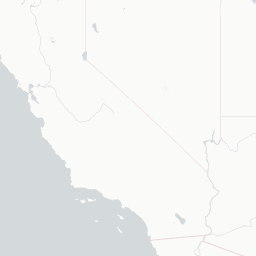
Live wind & temperature near Vista
Right now in the garden
Peak growing season
As of June 13, the growing season is at its peak — frost is months away. Continue succession-planting beans and summer squash. Start fall brassicas (broccoli, cabbage, kale) from seed indoors for transplanting in late summer.
Microseason · June 11–15
Summer solstice light stretched thin
The sun's arc peaks; evening light lingers until past 8:30pm across the coast and Bay Area.
Day 164 of 365 · Wedge 33 of 72
Planting calendar
| Month | Plant | Harvest |
|---|---|---|
| January | — | — |
| February | — | — |
| March | lettuce, peas, spinach, radishes | — |
| April | lettuce, peas, spinach, radishes, tomatoes, peppers, beans, squash | — |
| May | tomatoes, peppers, beans, squash | lettuce, peas, radishes |
| June | tomatoes, peppers, beans, squash | lettuce, peas, radishes |
| July | — | tomatoes, beans, summer squash |
| August | — | tomatoes, beans, summer squash |
| September | — | tomatoes, beans, summer squash |
| October | fall brassicas, garlic (overwinter), carrots | winter squash, tomatoes (last) |
| November | fall brassicas, garlic (overwinter), carrots | — |
| December | — | — |
A year in weather
In Vista, August runs warmest near 70°F and December coldest around 53°F, while February is the wettest month (2.9 inches) and August the driest (0.0 inches).
| Month | Mean temp | Precip | Rainy days |
|---|---|---|---|
| January | 54° | 2.4″ | 3 |
| February | 54° | 2.9″ | 5 |
| March | 56° | 1.7″ | 3 |
| April | 58° | 0.9″ | 2 |
| May | 62° | 0.3″ | 1 |
| June | 66° | 0.1″ | 0 |
| July | 69° | 0.1″ | 0 |
| August | 70° | 0.0″ | 0 |
| September | 69° | 0.1″ | 0 |
| October | 64° | 0.6″ | 1 |
| November | 57° | 0.8″ | 2 |
| December | 53° | 2.0″ | 3 |
Regional context
By the nearest station's NOAA NCEI 1991-2020 normals, Vista sees 54°F Januarys and 69°F Julys, a 16°F range, plus around 11.9 inches of precipitation across 20 days.
Vista's moisture rides winter storm tracks: February brings 2.9 inches over 4.6 wet days, while August sees only 0.0 inches across 0.1 days in the dry warm season. That cool-season-wet pattern aligns Vista with places like Oceanside, CA, Lake San Marcos, CA and Carlsbad, CA.
Freezes are uncommon in Vista, where the coldest month averages 53°F; cool-season crops grow fall through spring. Summer heat in August (about 70°F) is the binding constraint, not cold. Vista's coastal lots stay 4-7°F milder overnight than Vista's inland parcels.
Similar climates: Oceanside, CA, Lake San Marcos, CA, Carlsbad, CA, San Marcos, CA, Bonsall, CA.
Frequently asked
- When does it freeze in Vista?
- In Vista, expect the last spring frost near mid-March; Vista's first autumn frost comes around mid-December.
- What is the rainy season in Vista?
- February is the wettest month in Vista, about 2.9 inches on average; the year totals roughly 12 inches.
- What is the warmest month in Vista?
- On average August tops the year in Vista at about 70°F.
- What is the coldest month in Vista?
- The coldest stretch in Vista falls in December, around 53°F on average.
- When can I start a vegetable garden in Vista?
- Hardy spring crops go in near mid-March in Vista; tender peppers and squash wait 10–14 days.
- How many rainy days does Vista get?
- Expect roughly 20 wet days a year in Vista.
- What hardiness zone is Vista?
- With December around 53°F, Vista's zone reflects that minimum — the USDA ZIP map confirms Vista's band.
- What is the 10-day forecast for Vista?
- Vista's extended outlook — daily high and low temperatures and precipitation chances for each upcoming day — is in the daily forecast above.
- Will it rain this week in Vista?
- See this week's day-by-day rain chances for Vista in the daily forecast above, and the next 24 hours in the hourly chart.
- What is the weather like right now in Vista?
- Current conditions for Vista and the next 24 hours — temperature, precipitation chance, and wind by the hour — are in the hourly forecast chart above.
- How often is the Vista forecast updated?
- The Vista forecast on this page is built from Open-Meteo weather-model data and refreshes regularly through the day.
- When are sunrise and sunset in Vista?
- Day length in Vista peaks around the June solstice — earliest sunrise and latest sunset — and is shortest near the December solstice.
- How accurate is the weather forecast for Vista?
- The next few days in Vista's forecast are the most reliable; accuracy declines beyond about a week as weather-model uncertainty grows.
Climate
The hot-summer Mediterranean climate of Vista, California carries typical Januarys near 54°F and Julys around 69°F — 15°F of seasonal travel.
Yearly precipitation in Vista totals around 12 inches, spread over about 20 days of rain or snow.
From 33.2°N, Vista sees a 15°F seasonal swing that governs Vista's planting and frost windows.
ZIP codes in Vista
- 92084
- 92083
- 92081
- 92085