North Aurora, Illinois Weather
Honeysuckle sweetens the night. Day 89 of spring. Read this microseason across nine climate regions →
North Aurora weather forecast — hour by hour, 7-day outlook, NOAA radar
- TodayJun 16Thunderstorm30%0.07″74°59°—
- WednesdayJun 17Heavy Rain99%7.3″65°55°-9°
- ThursdayJun 18Overcast46%—70°57°+5°
- FridayJun 19Overcast——68°51°-2°
- SaturdayJun 20Light Drizzle13%0.02″71°53°+3°
- SundayJun 21Rain51%0.60″66°57°-5°
- MondayJun 22Overcast51%—69°53°+3°
AQI 24 (Good), driven by Ozone. AQI down 13 over the last 6 hours (gradual decline).
OK No precautions needed for the general population; unusually sensitive individuals may consider limiting prolonged outdoor exertion.
Trends
Seven days of AQI and PM2.5.
Hourly air-quality data from the Copernicus Atmosphere Monitoring Service, charted across the past and next several days. Dashed lines mark the AQI breakpoints at 50 (Good → Moderate) and 100 (Moderate → Unhealthy for Sensitive Groups).



















Cut your thistles before St. John, you will have two instead of one.
- Moonrise
- 6:30 AM
- Moonset
- 9:49 PM
- In sign
- ♋︎ Cancer
Honeysuckle sweetens the night
North Aurora at a glance
- Today vs. normal: 13°F below the seasonal normal for this latitude
- Last frost: April 27 (climatological average for this latitude)
- Microseason: Jun 16–20
- Planting window: Stake and prune tomato suckers. Watch for squash vine borers.
15-Day Forecast — North Aurora
- Tue75°59°30%
- Wed65°55°99%
- Thu70°57°46%
- Fri68°51°2%
- Sat71°53°13%
- Sun66°57°51%
- Mon69°53°51%
- Tue74°51°9%
- Wed78°56°13%
- Thu80°62°24%
- Fri88°66°20%
- Sat90°74°32%
- Sun89°74°39%
- Mon90°73°42%
- Tue90°73°39%
Forecast data from Open-Meteo (CC BY 4.0).
Right now in the garden
Peak growing season
As of June 16, the growing season is at its peak — frost is months away. Continue succession-planting beans and summer squash. Start fall brassicas (broccoli, cabbage, kale) from seed indoors for transplanting in late summer.
SPC Convective Outlook
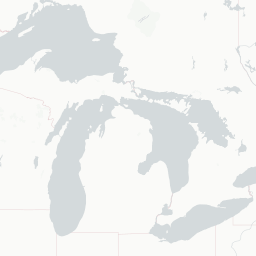
Storm Prediction Center — North Aurora
SPC has placed North Aurora in the Enhanced Risk category for severe thunderstorms tomorrow.
- TODAYTSTMGeneral Thunderstorms
- TOMORROWENHEnhanced Risk
- DAY 3NONENo severe risk
Numerous severe storms likely. Tornadoes, large hail, and damaging wind gusts possible across the area. Track NWS warnings if storms develop.
Source: NOAA / NWS Storm Prediction Center categorical convective outlook. Outlooks are re-issued multiple times per day; this page reflects the most recent SPC polygons covering the city’s coordinates.
Microseason · June 16–20
Honeysuckle sweetens the night
Japanese honeysuckle perfumes parks after dark.
Day 167 of 365 · Wedge 34 of 72
Planting calendar
| Month | Plant | Harvest |
|---|---|---|
| January | — | — |
| February | — | — |
| March | — | — |
| April | lettuce, peas, spinach, radishes | — |
| May | lettuce, peas, spinach, radishes, tomatoes, peppers, beans, squash | lettuce, peas, radishes |
| June | tomatoes, peppers, beans, squash | lettuce, peas, radishes |
| July | tomatoes, peppers, beans, squash | tomatoes, beans, summer squash |
| August | — | tomatoes, beans, summer squash |
| September | fall brassicas, garlic (overwinter), carrots | tomatoes, beans, summer squash |
| October | fall brassicas, garlic (overwinter), carrots | winter squash, tomatoes (last) |
| November | — | — |
| December | — | — |
A year in weather
North Aurora peaks at about 76°F in July and bottoms near 23°F in January; May brings the heaviest rain (4.3 inches) and January the least (1.7 inches).
| Month | Mean temp | Precip | Rainy days |
|---|---|---|---|
| January | 23° | 1.7″ | 14 |
| February | 26° | 1.9″ | 13 |
| March | 37° | 2.9″ | 15 |
| April | 50° | 3.8″ | 17 |
| May | 59° | 4.3″ | 18 |
| June | 70° | 4.0″ | 15 |
| July | 76° | 2.9″ | 14 |
| August | 75° | 3.1″ | 14 |
| September | 67° | 3.1″ | 13 |
| October | 55° | 2.9″ | 11 |
| November | 40° | 3.0″ | 12 |
| December | 27° | 2.2″ | 13 |
Regional context
By the nearest station's NOAA NCEI 1991-2020 normals, North Aurora sees 23°F Januarys and 76°F Julys, a 53°F range, plus around 35.8 inches of precipitation across 170 days.
Precipitation in North Aurora runs summer-dominant: May averages 4.3 inches across 17.9 days of warm-season storms, while January drops to 1.7 inches over 14.3 rainy days of drier cool air. It is a warm-season-wet pattern North Aurora shares with places like Batavia, IL, Aurora, IL and Prestbury, IL.
By mid-April the frosts ease in North Aurora, opening the season for kale, peas, spinach, and parsnips. Warm-soil crops in North Aurora wait about two weeks past North Aurora's last frost, once the soil warms. Around mid-November, freezing nights resume in North Aurora and tender crops must come in. In North Aurora, low spots run 4-7°F colder than nearby slopes, nudging North Aurora's frost dates a week.
Similar climates: Batavia, IL, Aurora, IL, Prestbury, IL, Geneva, IL, Sugar Grove, IL.
Frequently asked
- When does it freeze in North Aurora?
- In North Aurora, expect the last spring frost near mid-April; North Aurora's first autumn frost comes around mid-November.
- What is the rainy season in North Aurora?
- Rainfall in North Aurora peaks in May near 4.3 inches, out of about 36 inches annually.
- What is the warmest month in North Aurora?
- The warmest stretch in North Aurora comes in July, around 76°F on average.
- What is the coldest month in North Aurora?
- On average January is the chilliest month in North Aurora, about 23°F.
- When can I start a vegetable garden in North Aurora?
- North Aurora's last frost (mid-April) cues hardy greens; in North Aurora, hold heat-lovers two weeks past.
- How many rainy days does North Aurora get?
- North Aurora records around 170 days of measurable precipitation annually.
- What hardiness zone is North Aurora?
- North Aurora's USDA zone comes from its January mean (23°F); enter the ZIP on the USDA lookup for the number.
- What is the 10-day forecast for North Aurora?
- North Aurora's extended outlook — daily high and low temperatures and precipitation chances for each upcoming day — is in the daily forecast above.
- Will it rain this week in North Aurora?
- See this week's day-by-day rain chances for North Aurora in the daily forecast above, and the next 24 hours in the hourly chart.
- What is the weather like right now in North Aurora?
- Current conditions for North Aurora and the next 24 hours — temperature, precipitation chance, and wind by the hour — are in the hourly forecast chart above.
- How often is the North Aurora forecast updated?
- The North Aurora forecast on this page is built from Open-Meteo weather-model data and refreshes regularly through the day.
- When are sunrise and sunset in North Aurora?
- Day length in North Aurora peaks around the June solstice — earliest sunrise and latest sunset — and is shortest near the December solstice.
- How accurate is the weather forecast for North Aurora?
- The next few days in North Aurora's forecast are the most reliable; accuracy declines beyond about a week as weather-model uncertainty grows.
Climate
North Aurora, Illinois has a warm-summer humid continental climate: January averages roughly 23°F, July about 76°F, 53°F between them.
Yearly precipitation in North Aurora totals around 36 inches, spread over about 170 days of rain or snow.
At 41.8°N, North Aurora's 53°F summer-to-winter swing sets when North Aurora's gardens wake and when frost returns.
ZIP codes in North Aurora
- 60542