Albany, New York Weather
Fireflies rise from the lawn. Day 77 of spring. Read this microseason across nine climate regions →
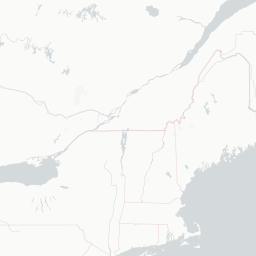
Albany weather forecast — hour by hour, 7-day outlook, NOAA radar
- TodayJun 4Overcast——87°54°—
- FridayJun 5Overcast——89°60°+2°
- SaturdayJun 6Showers71%0.26″86°63°-3°
- SundayJun 7Showers68%0.25″73°59°-13°
- MondayJun 8Overcast20%—76°55°+3°
- TuesdayJun 9Overcast——83°55°+7°
- WednesdayJun 10Mostly Clear13%—88°57°+5°
AQI 23 (Good), driven by PM2.5. AQI down 9 over the last 6 hours (steady decline since this morning).
OK No precautions needed for the general population; unusually sensitive individuals may consider limiting prolonged outdoor exertion.
Trends
Seven days of AQI and PM2.5.
Hourly air-quality data from the Copernicus Atmosphere Monitoring Service, charted across the past and next several days. Dashed lines mark the AQI breakpoints at 50 (Good → Moderate) and 100 (Moderate → Unhealthy for Sensitive Groups).


























A summer fog for fair, a winter fog for rain.
- Moonrise
- 3:32 AM
- Moonset
- 12:45 PM
- In sign
- ♑︎ Capricorn
Fireflies rise from the lawn
Albany at a glance
- Today vs. normal: 18°F below the seasonal normal for this latitude
- Last frost: May 2 (climatological average for this latitude)
- Microseason: Jun 1–5
- Planting window: Harvest spring lettuce before it bolts. Sow heat-tolerant greens.
Right now in the garden
Peak growing season
As of June 4, the growing season is at its peak — frost is months away. Continue succession-planting beans and summer squash. Start fall brassicas (broccoli, cabbage, kale) from seed indoors for transplanting in late summer.
SPC Convective Outlook
Storm Prediction Center — Albany
SPC has placed Albany in the Marginal Risk category for severe thunderstorms day after tomorrow.
- TODAYNONENo severe risk
- TOMORROWNONENo severe risk
- DAY 3MRGLMarginal Risk
Isolated severe storms possible. Limited threat for hail or damaging wind.
Source: NOAA / NWS Storm Prediction Center categorical convective outlook. Outlooks are re-issued multiple times per day; this page reflects the most recent SPC polygons covering the city’s coordinates.
Planting calendar
| Month | Plant | Harvest |
|---|---|---|
| January | — | — |
| February | — | — |
| March | — | — |
| April | — | — |
| May | lettuce, peas, spinach, radishes | lettuce, peas, radishes |
| June | lettuce, peas, spinach, radishes, tomatoes, peppers, beans, squash | lettuce, peas, radishes |
| July | tomatoes, peppers, beans, squash | tomatoes, beans, summer squash |
| August | tomatoes, peppers, beans, squash, fall brassicas, garlic (overwinter), carrots | tomatoes, beans, summer squash |
| September | fall brassicas, garlic (overwinter), carrots | tomatoes, beans, summer squash |
| October | — | winter squash, tomatoes (last) |
| November | — | — |
| December | — | — |
A year in weather
July stands as Albany's warmest month with average temperatures around 73°F, while January marks the coldest at roughly 24°F. Precipitation follows a different pattern, peaking in July at 4.5 inches and reaching its lowest point in February with 2.3 inches.
| Month | Mean temp | Precip | Rainy days |
|---|---|---|---|
| January | 24° | 2.6″ | 6 |
| February | 27° | 2.3″ | 5 |
| March | 36° | 3.1″ | 7 |
| April | 48° | 3.1″ | 7 |
| May | 60° | 3.4″ | 8 |
| June | 68° | 4.0″ | 8 |
| July | 73° | 4.5″ | 8 |
| August | 71° | 3.8″ | 7 |
| September | 64° | 3.7″ | 6 |
| October | 51° | 3.9″ | 6 |
| November | 41° | 3.0″ | 6 |
| December | 30° | 3.3″ | 7 |
Regional context
Albany falls within the warm-summer humid continental climate region, sharing temperature ranges, seasonal cycles, and growing conditions with neighboring cities throughout the area.
Similar climates: New York, NY, Brooklyn, NY, Queens, NY, Manhattan, NY, Bronx, NY.
Naturalist notes
Late May brings the return of ruby-throated hummingbirds to Albany's gardens and parks.
Apple trees typically finish blooming by mid-May across the region's orchards and residential areas.
Frequently asked
- When does it freeze in Albany?
- Spring's final frost usually occurs around mid-May in Albany, while the first fall frost typically arrives around mid-October.
- What is the rainy season in Albany?
- July receives the most rainfall at approximately 4.5 inches on average, contributing to the city's total annual precipitation of roughly 41 inches.
- What is the warmest month in Albany?
- July typically records the highest temperatures, with averages around 73°F.
- What is the coldest month in Albany?
- January generally brings the coldest weather, averaging about 24°F.
- When can I start a vegetable garden in Albany?
- Cool-season vegetables like peas and lettuce can be planted around the time of the last spring frost in mid-May, while warm-season crops such as tomatoes and peppers should wait 1–2 weeks after that date.
- How many rainy days does Albany get?
- Albany experiences approximately 81 rainy days annually.
- What hardiness zone is Albany?
- Albany's USDA hardiness zone depends on average minimum winter temperatures; the USDA's online zone finder can provide the current designation using the city's ZIP code.
Climate
Albany, New York experiences a warm-summer humid continental climate. Winter temperatures in January typically hover around 24°F, while July brings averages of 73°F, creating a 49°F seasonal swing.
Annual precipitation totals about 41 inches, distributed across roughly 81 rainy days throughout the year.
Local weather patterns respond to the city's latitude of 42.7°N, nearby water bodies, and elevation. These factors determine growing seasons, frost timing, and daily weather conditions.