Madison, Wisconsin Weather
Fireflies rise from the lawn. Day 76 of spring. Read this microseason across nine climate regions →
Madison weather forecast — hour by hour, 7-day outlook, NOAA radar
- TodayJun 3Clear——82°46°—
- ThursdayJun 4Overcast11%—86°55°+4°
- FridayJun 5Showers82%0.70″73°65°-13°
- SaturdayJun 6Light Showers67%—79°64°+6°
- SundayJun 7Overcast12%—79°58°0°
- MondayJun 8Light Drizzle24%—78°59°-1°
- TuesdayJun 9Drizzle24%—77°68°-1°
Ozone at AQI 90 — peak already passed at 1 PM under clear skies. AQI up 20 in the last 6 hours — air quality is degrading. Levels should ease through evening.
OK No precautions needed for the general population; unusually sensitive individuals may consider limiting prolonged outdoor exertion.
What's driving it
Ozone × UV × Sky
Ozone at AQI 90 — peak already passed at 1 PM under clear skies. Levels should ease through evening.
- Present
- AQI 90
- UV peak
- 3.6 at earlier today
- Sky at peak
- clear
- Projected peak
- AQI 90
PM × Wind × Precip
PM2.5 at 5.5 µg/m³, PM10 at 6.0 µg/m³ — typical background levels with no transport signature.
- PM2.5/PM10
- 0.92
- Wind
- light
- Recent rain
- 0h in last 6h
- Pattern
- background
Trends
Seven days of AQI and PM2.5.
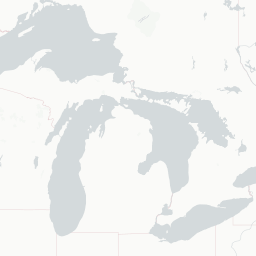
Hourly air-quality data from the Copernicus Atmosphere Monitoring Service, charted across the past and next several days. Dashed lines mark the AQI breakpoints at 50 (Good → Moderate) and 100 (Moderate → Unhealthy for Sensitive Groups).























The higher the clouds, the finer the weather.
- Moonrise
- 4:01 AM
- Moonset
- 12:44 PM
- In sign
- ♑︎ Capricorn
Fireflies rise from the lawn
Madison at a glance
- Today vs. normal: 10°F above the seasonal normal for this latitude
- Last frost: May 4 (climatological average for this latitude)
- Microseason: Jun 1–5
- Planting window: Harvest spring lettuce before it bolts. Sow heat-tolerant greens.
Right now in the garden
Peak growing season
As of June 3, the growing season is at its peak — frost is months away. Continue succession-planting beans and summer squash. Start fall brassicas (broccoli, cabbage, kale) from seed indoors for transplanting in late summer.
SPC Convective Outlook
Storm Prediction Center — Madison
SPC has placed Madison in the Marginal Risk category for severe thunderstorms day after tomorrow.
- TODAYNONENo severe risk
- TOMORROWTSTMGeneral Thunderstorms
- DAY 3MRGLMarginal Risk
Isolated severe storms possible. Limited threat for hail or damaging wind.
Source: NOAA / NWS Storm Prediction Center categorical convective outlook. Outlooks are re-issued multiple times per day; this page reflects the most recent SPC polygons covering the city’s coordinates.
Planting calendar
| Month | Plant | Harvest |
|---|---|---|
| January | — | — |
| February | — | — |
| March | — | — |
| April | — | — |
| May | lettuce, peas, spinach, radishes | lettuce, peas, radishes |
| June | lettuce, peas, spinach, radishes, tomatoes, peppers, beans, squash | lettuce, peas, radishes |
| July | tomatoes, peppers, beans, squash | tomatoes, beans, summer squash |
| August | tomatoes, peppers, beans, squash, fall brassicas, garlic (overwinter), carrots | tomatoes, beans, summer squash |
| September | fall brassicas, garlic (overwinter), carrots | tomatoes, beans, summer squash |
| October | — | winter squash, tomatoes (last) |
| November | — | — |
| December | — | — |
A year in weather
July brings Madison's warmest temperatures (~72°F mean) while January delivers the coldest (~19°F). June sees peak rainfall at 5.7 inches, with January recording the lowest at 1.7 inches.
| Month | Mean temp | Precip | Rainy days |
|---|---|---|---|
| January | 19° | 1.7″ | 4 |
| February | 23° | 1.7″ | 5 |
| March | 34° | 2.3″ | 5 |
| April | 47° | 4.2″ | 8 |
| May | 58° | 4.5″ | 9 |
| June | 68° | 5.7″ | 8 |
| July | 72° | 4.7″ | 7 |
| August | 70° | 4.1″ | 6 |
| September | 62° | 3.9″ | 6 |
| October | 50° | 3.0″ | 6 |
| November | 37° | 2.3″ | 5 |
| December | 25° | 1.9″ | 5 |
Regional context
Madison falls within the warm-summer humid continental climate region, sharing temperature ranges, seasonal patterns, and growing conditions with other nearby cities in this climate zone.
Similar climates: Milwaukee, WI, Appleton, WI, Green Bay, WI, Racine, WI, Kenosha, WI.
Naturalist notes
American robins return to Madison in late March, their territorial songs marking the transition from winter's quiet.
Wild columbine blooms emerge in May along woodland edges, their distinctive spurred flowers attracting early pollinators.
Frequently asked
- When does it freeze in Madison?
- Madison's last spring frost usually occurs around mid-May, with the first fall frost returning around mid-October.
- What is the rainy season in Madison?
- June records the highest rainfall with about 5.7 inches on average; Madison receives roughly 40 inches annually.
- What is the warmest month in Madison?
- July typically brings the warmest weather, averaging about 72°F.
- What is the coldest month in Madison?
- January typically delivers the coldest temperatures, averaging about 19°F.
- When can I start a vegetable garden in Madison?
- Cool-season crops like peas and lettuce can be planted around the last spring frost in mid-May; warm-season crops such as tomatoes and peppers should wait 1–2 weeks after.
- How many rainy days does Madison get?
- Madison records about 73 rainy days per year on average.
- What hardiness zone is Madison?
- Madison's USDA hardiness zone depends on its lowest average winter temperature; use the USDA's online lookup tool with the city ZIP code for the current zone designation.
Climate
Madison, Wisconsin experiences a warm-summer humid continental climate zone. Winter temperatures in January hover near 19°F, while July averages reach 72°F — creating a 52°F seasonal swing.
Throughout the year, Madison collects about 40 inches of precipitation distributed across roughly 73 rainy days.
Several factors determine the city's weather patterns: its latitude at 43.1°N, nearby large water bodies, and local elevation. These elements influence plant growth cycles, frost timing, and daily weather conditions.