Dallas, Texas Weather
Fireflies pulse through the magnolias. Day 76 of spring. Read this microseason across nine climate regions →
Dallas weather forecast — hour by hour, 7-day outlook, NOAA radar
- TodayJun 3Light Showers—0.09″91°72°—
- ThursdayJun 4Light Showers18%0.06″84°73°-7°
- FridayJun 5Light Showers26%—83°72°-1°
- SaturdayJun 6Light Drizzle52%—88°72°+5°
- SundayJun 7Light Showers46%—95°74°+7°
- MondayJun 8Overcast37%—96°75°+1°
- TuesdayJun 9Overcast19%—96°76°0°
Ozone at AQI 93 now. AQI flat over the last 6 hours (within ±3 points). With UV 8.0 peaking around 1 PM under partly cloudy skies, surface ozone likely climbs to AQI 70 by mid-afternoon.
OK No precautions needed for the general population; unusually sensitive individuals may consider limiting prolonged outdoor exertion.
What's driving it
Ozone × UV × Sky
Ozone at AQI 93 now. With UV 8.0 peaking around 1 PM under partly cloudy skies, surface ozone likely climbs to AQI 70 by mid-afternoon.
- Present
- AQI 93
- UV peak
- 8.0 at 1 PM
- Sky at peak
- partly cloudy
- Projected peak
- AQI 70
PM × Wind × Precip
PM2.5 at 15.2 µg/m³, PM10 at 16.8 µg/m³ — typical background levels with no transport signature.
- PM2.5/PM10
- 0.90
- Wind
- light
- Recent rain
- 0h in last 6h
- Pattern
- background
Trends
Seven days of AQI and PM2.5.
Hourly air-quality data from the Copernicus Atmosphere Monitoring Service, charted across the past and next several days. Dashed lines mark the AQI breakpoints at 50 (Good → Moderate) and 100 (Moderate → Unhealthy for Sensitive Groups).








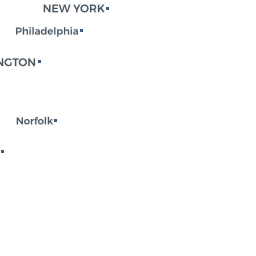

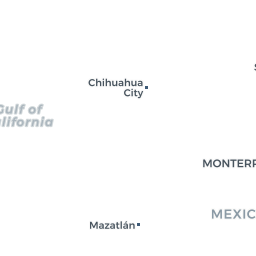
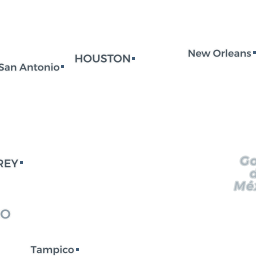
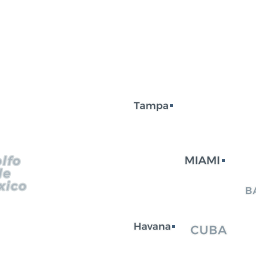

The higher the clouds, the finer the weather.
- Moonrise
- 3:55 AM
- Moonset
- 1:51 PM
- In sign
- ♑︎ Capricorn
Fireflies pulse through the magnolias
Dallas at a glance
- Today vs. normal: 3°F above the seasonal normal for this latitude
- Last frost: March 4 (climatological average for this latitude)
- Microseason: Jun 1–5
- Planting window: Harvest spring lettuce before it bolts. Sow heat-tolerant greens.
Right now in the garden
Peak growing season
As of June 3, the growing season is at its peak — frost is months away. Continue succession-planting beans and summer squash. Start fall brassicas (broccoli, cabbage, kale) from seed indoors for transplanting in late summer.
SPC Convective Outlook
Storm Prediction Center — Dallas
SPC has placed Dallas in the General Thunderstorms category for severe thunderstorms today.
- TODAYTSTMGeneral Thunderstorms
- TOMORROWTSTMGeneral Thunderstorms
- DAY 3TSTMGeneral Thunderstorms
Thunderstorms possible. Not severe, but capable of producing lightning and brief heavy rain.
Source: NOAA / NWS Storm Prediction Center categorical convective outlook. Outlooks are re-issued multiple times per day; this page reflects the most recent SPC polygons covering the city’s coordinates.
Planting calendar
| Month | Plant | Harvest |
|---|---|---|
| January | — | — |
| February | — | — |
| March | lettuce, peas, spinach, radishes | — |
| April | lettuce, peas, spinach, radishes, tomatoes, peppers, beans, squash | — |
| May | tomatoes, peppers, beans, squash | lettuce, peas, radishes |
| June | tomatoes, peppers, beans, squash | lettuce, peas, radishes |
| July | — | tomatoes, beans, summer squash |
| August | — | tomatoes, beans, summer squash |
| September | — | tomatoes, beans, summer squash |
| October | fall brassicas, garlic (overwinter), carrots | winter squash, tomatoes (last) |
| November | fall brassicas, garlic (overwinter), carrots | — |
| December | — | — |
A year in weather
August brings Dallas its warmest temperatures (~87°F mean) while January delivers the coldest (~48°F). October sees peak rainfall at 4.8 inches, and July marks the driest period with just 1.7 inches.
| Month | Mean temp | Precip | Rainy days |
|---|---|---|---|
| January | 48° | 2.6″ | 4 |
| February | 52° | 2.8″ | 4 |
| March | 60° | 3.5″ | 5 |
| April | 67° | 3.1″ | 5 |
| May | 75° | 4.6″ | 6 |
| June | 83° | 3.8″ | 5 |
| July | 87° | 1.7″ | 3 |
| August | 87° | 2.2″ | 4 |
| September | 80° | 3.1″ | 4 |
| October | 69° | 4.8″ | 5 |
| November | 58° | 2.9″ | 4 |
| December | 50° | 3.2″ | 4 |
Regional context
Dallas falls within a humid subtropical climate region. This places it among nearby cities that share similar temperature ranges, seasonal patterns, and growing conditions.
Similar climates: Houston, TX, San Antonio, TX, Austin, TX, Fort Worth, TX, McAllen, TX.
Naturalist notes
Late May brings the distinctive calls of Mississippi Kites as these raptors return to their Dallas nesting grounds.
Eastern Redbud trees typically finish their pink bloom cycle by early April, marking the transition from spring into warmer months.
Frequently asked
- When does it freeze in Dallas?
- Dallas's last spring frost typically falls around mid-March, and the first fall frost arrives around mid-December.
- What is the rainy season in Dallas?
- October is the wettest month with about 4.8 inches of rain on average; the city receives roughly 38 inches annually.
- What is the warmest month in Dallas?
- August is typically warmest, averaging about 87°F.
- What is the coldest month in Dallas?
- January is typically coldest, averaging about 48°F.
- When can I start a vegetable garden in Dallas?
- Cool-season crops (peas, lettuce) can be sown around the last spring frost (mid-March); warm-season crops (tomatoes, peppers) wait until 1–2 weeks after.
- How many rainy days does Dallas get?
- Dallas averages about 52 rainy days per year.
- What hardiness zone is Dallas?
- Dallas's USDA hardiness zone is determined by its lowest average winter temperature; check the USDA's online lookup with the city ZIP for the current zone designation.
Climate
Dallas, Texas experiences a humid subtropical climate zone. January temperatures hover near 48°F while July averages 87°F — a 40°F seasonal swing.
Throughout the year, Dallas receives about 38 inches of precipitation spread over roughly 52 rainy days.
Geography shapes Dallas's weather patterns through its latitude (32.8°N), proximity to large water bodies, and elevation. These factors determine what grows here, when frost is likely, and daily weather conditions.
ZIP codes in Dallas
- 75098
- 75287
- 75230
- 75231
- 75236
- 75237
- 75235
- 75254
- 75251
- 75252
- 75253
- 75043
- 75032
- 75227
- 75238
- 75232
- 75233
- 75234
- 75089
- 75088
- 75087
- 75247
- 75244
- 75249
- 75248
- 75051
- 75166
- 75210
- 75211
- 75212
- 75214
- 75215
- 75216
- 75217
- 75218
- 75219
- 75390
- 75182
- 75229
- 75228
- 75220
- 75223
- 75225
- 75224
- 75226
- 75243
- 75241
- 75240
- 75246
- 75270
- 75207
- 75206
- 75204
- 75203
- 75202
- 75201
- 75209
- 75208
- 75019
- 75221
- 75222
- 75242
- 75250
- 75260
- 75262
- 75263
- 75264
- 75266
- 75267
- 75277
- 75283
- 75284
- 75285
- 75301
- 75303
- 75312
- 75313
- 75315
- 75320
- 75336
- 75339
- 75342
- 75354
- 75355
- 75356
- 75357
- 75358
- 75359
- 75360
- 75367
- 75370
- 75371
- 75372
- 75373
- 75374
- 75376
- 75378
- 75379
- 75380
- 75382
- 75389
- 75392
- 75393
- 75394
- 75395
- 75397
- 75398