Salem, Utah Weather
Pikas hayfeeding in granite peaks. Day 78 of spring. Read this microseason across nine climate regions →
Salem weather forecast — hour by hour, 7-day outlook, NOAA radar
- TodayJun 4Clear——86°62°—
- FridayJun 5Overcast——89°63°+3°
- SaturdayJun 6Overcast——88°66°-1°
- SundayJun 7Overcast——80°58°-8°
- MondayJun 8Overcast——84°57°+4°
- TuesdayJun 9Drizzle—0.04″77°53°-7°
- WednesdayJun 10Heavy Drizzle11%0.24″60°51°-17°
AQI 65 (Moderate), driven by PM2.5. AQI up 18 in the last 6 hours — air quality is degrading. PM2.5 at 10.1 µg/m³, PM10 at 34.1 µg/m³ — typical background levels with no transport signature.
OK No precautions needed for the general population; unusually sensitive individuals may consider limiting prolonged outdoor exertion.
What's driving it
Ozone × UV × Sky
Ozone at AQI 48 now. With UV 0.1 peaking around 1 PM under clear skies, surface ozone likely climbs to AQI 12 by mid-afternoon.
- Present
- AQI 48
- UV peak
- 0.1 at 1 PM
- Sky at peak
- clear
- Projected peak
- AQI 12
PM × Wind × Precip
PM2.5 at 10.1 µg/m³, PM10 at 34.1 µg/m³ — typical background levels with no transport signature.
- PM2.5/PM10
- 0.30
- Wind
- calm
- Recent rain
- 0h in last 6h
- Pattern
- background
Trends
Seven days of AQI and PM2.5.
Hourly air-quality data from the Copernicus Atmosphere Monitoring Service, charted across the past and next several days. Dashed lines mark the AQI breakpoints at 50 (Good → Moderate) and 100 (Moderate → Unhealthy for Sensitive Groups).




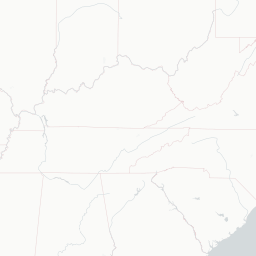

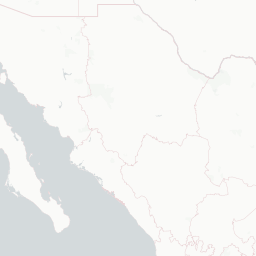
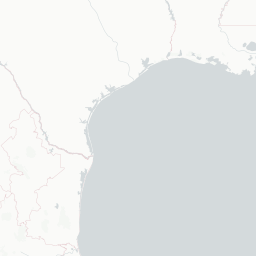





The higher the clouds, the finer the weather.
- Moonrise
- 6:29 AM
- Moonset
- 4:38 PM
- In sign
- ♒︎ Aquarius
Pikas hayfeeding in granite peaks
Salem at a glance
- Today vs. normal: 75°F — typical for the season
- Last frost: April 16 (climatological average for this latitude)
- Microseason: Jun 1–5
- Planting window: Harvest spring lettuce before it bolts. Sow heat-tolerant greens.
Right now in the garden
Warm-season window is open
As of June 5, the last spring frost has passed for most years. Transplant tomatoes, peppers, eggplants, basil, and cucurbits (cucumbers, squash, melons) now. Direct-sow beans and corn into warm soil.
Planting calendar
| Month | Plant | Harvest |
|---|---|---|
| January | — | — |
| February | — | — |
| March | — | — |
| April | lettuce, peas, spinach, radishes | — |
| May | lettuce, peas, spinach, radishes, tomatoes, peppers, beans, squash | lettuce, peas, radishes |
| June | tomatoes, peppers, beans, squash | lettuce, peas, radishes |
| July | tomatoes, peppers, beans, squash | tomatoes, beans, summer squash |
| August | — | tomatoes, beans, summer squash |
| September | fall brassicas, garlic (overwinter), carrots | tomatoes, beans, summer squash |
| October | fall brassicas, garlic (overwinter), carrots | winter squash, tomatoes (last) |
| November | — | — |
| December | — | — |
A year in weather
Salem's warmest month is July (~76°F mean) and its coldest is January (~29°F). Rainfall peaks in April (2.2 inches) and bottoms out in July (0.7 inches).
| Month | Mean temp | Precip | Rainy days |
|---|---|---|---|
| January | 29° | 1.8″ | 5 |
| February | 33° | 1.6″ | 5 |
| March | 42° | 1.9″ | 5 |
| April | 48° | 2.2″ | 6 |
| May | 57° | 1.9″ | 4 |
| June | 67° | 0.9″ | 2 |
| July | 76° | 0.7″ | 2 |
| August | 75° | 0.8″ | 2 |
| September | 65° | 1.2″ | 3 |
| October | 51° | 1.8″ | 4 |
| November | 39° | 1.5″ | 4 |
| December | 29° | 1.9″ | 5 |
Regional context
Salem's baseline climate, derived from NOAA NCEI 1991-2020 normals at the nearest reporting station, swings from a January mean of 29°F to a July mean of 76°F — a 48°F seasonal arc typical of the mid-latitude bands. Annual precipitation runs about 18.4 inches spread across roughly 46 days with measurable rain or snow each year.
Precipitation peaks in the cool season: April averages 2.2 inches across 5.6 days with measurable rain, mostly from frontal systems and winter storms, while July bottoms out at 0.7 inches across just 1.5 rainy days during the drier warm-season stretch. The cool-season-wet pattern aligns Salem with places like Woodland Hills, UT, Elk Ridge, UT and Payson, UT — places where Pacific or frontal storm tracks deliver the year's moisture between November and March.
The frost-sensitive growing window opens around mid-April, when overnight lows reliably clear freezing for cool-season crops like kale, peas, spinach, and parsnips. Warm-season transplants — tomatoes, peppers, and basil — typically wait two weeks past that date to avoid late spring cold snaps. The window closes around mid-November, when overnight lows resume dipping below freezing and frost-tender plants need protection or harvest. These are 30-year central tendencies; year-to-year frost dates can move by up to two weeks. Local features matter: a south-facing slope inside Salem typically runs 3-5 days ahead of the regional last-frost date, while a low-lying lot along a creek or drainage can lag the same date by a week or more on calm clear nights.
Similar climates: Woodland Hills, UT, Elk Ridge, UT, Payson, UT, Spanish Fork, UT, Benjamin, UT.
Frequently asked
- When does it freeze in Salem?
- Salem's last spring frost typically falls around mid-April, and the first fall frost arrives around mid-November.
- What is the rainy season in Salem?
- April is the wettest month with about 2.2 inches of rain on average; the city receives roughly 18 inches annually.
- What is the warmest month in Salem?
- July is typically warmest, averaging about 76°F.
- What is the coldest month in Salem?
- January is typically coldest, averaging about 29°F.
- When can I start a vegetable garden in Salem?
- Cool-season crops (peas, lettuce) can be sown around the last spring frost (mid-April); warm-season crops (tomatoes, peppers) wait until 1–2 weeks after.
- How many rainy days does Salem get?
- Salem averages about 46 rainy days per year.
- What hardiness zone is Salem?
- Salem's USDA hardiness zone is determined by its lowest average winter temperature; check the USDA's online lookup with the city ZIP for the current zone designation.
Climate
Salem, Utah sits in a cold semi-arid climate zone. January means hover near 29°F while July averages 76°F — a 48°F seasonal swing.
Across the year, Salem receives about 18 inches of precipitation spread over roughly 46 rainy days.
The rhythm of the year is set by latitude (40.1°N), proximity to large water bodies, and elevation — all of which shape what grows here, when frost is likely, and what the weather story looks like day to day.