Redlands, California Weather
Coastal fog thickens at dawn. Day 76 of spring. Read this microseason across nine climate regions →
Redlands weather forecast — hour by hour, 7-day outlook, NOAA radar
- TodayJun 3Partly Cloudy——91°56°—
- ThursdayJun 4Clear——95°57°+4°
- FridayJun 5Clear——94°59°-1°
- SaturdayJun 6Overcast——87°61°-7°
- SundayJun 7Overcast——84°56°-3°
- MondayJun 8Overcast——87°53°+3°
- TuesdayJun 9Partly Cloudy——89°57°+2°
Ozone at AQI 119 now. AQI flat over the last 6 hours (within ±3 points). With UV 10 peaking around 1 PM under clear skies, surface ozone likely climbs to AQI 166 by mid-afternoon.
CAUTION Sensitive groups (children, elderly, respiratory conditions) should limit prolonged outdoor exertion.
What's driving it
Ozone × UV × Sky
Ozone at AQI 119 now. With UV 10 peaking around 1 PM under clear skies, surface ozone likely climbs to AQI 166 by mid-afternoon.
- Present
- AQI 119
- UV peak
- 10.5 at 1 PM
- Sky at peak
- clear
- Projected peak
- AQI 166
PM × Wind × Precip
PM2.5 at 17.5 µg/m³ (AQI 67) with a 0.63 fine-to-coarse ratio and 6 mph wind — combustion smoke trapped in calm air, not road dust.
- PM2.5/PM10
- 0.63
- Wind
- light
- Recent rain
- 0h in last 6h
- Pattern
- stagnant smoke
Trends
Seven days of AQI and PM2.5.
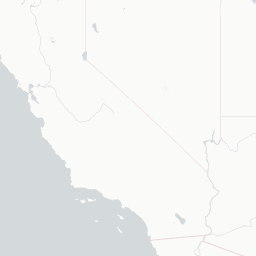
Hourly air-quality data from the Copernicus Atmosphere Monitoring Service, charted across the past and next several days. Dashed lines mark the AQI breakpoints at 50 (Good → Moderate) and 100 (Moderate → Unhealthy for Sensitive Groups).















The higher the clouds, the finer the weather.
- Moonrise
- 5:23 AM
- Moonset
- 3:11 PM
- In sign
- ♑︎ Capricorn
Coastal fog thickens at dawn
Redlands at a glance
- Today vs. normal: 4°F above the seasonal normal for this latitude
- Last frost: March 11 (climatological average for this latitude)
- Microseason: Jun 1–5
- Planting window: Harvest spring lettuce before it bolts. Sow heat-tolerant greens.
Right now in the garden
Peak growing season
As of June 3, the growing season is at its peak — frost is months away. Continue succession-planting beans and summer squash. Start fall brassicas (broccoli, cabbage, kale) from seed indoors for transplanting in late summer.
Planting calendar
| Month | Plant | Harvest |
|---|---|---|
| January | — | — |
| February | — | — |
| March | lettuce, peas, spinach, radishes | — |
| April | lettuce, peas, spinach, radishes, tomatoes, peppers, beans, squash | — |
| May | tomatoes, peppers, beans, squash | lettuce, peas, radishes |
| June | tomatoes, peppers, beans, squash | lettuce, peas, radishes |
| July | — | tomatoes, beans, summer squash |
| August | — | tomatoes, beans, summer squash |
| September | — | tomatoes, beans, summer squash |
| October | fall brassicas, garlic (overwinter), carrots | winter squash, tomatoes (last) |
| November | fall brassicas, garlic (overwinter), carrots | — |
| December | — | — |
A year in weather
Redlands's warmest month is August (~80°F mean) and its coldest is December (~53°F). Rainfall peaks in February (3.0 inches) and bottoms out in August (0.1 inches).
| Month | Mean temp | Precip | Rainy days |
|---|---|---|---|
| January | 54° | 2.8″ | 5 |
| February | 55° | 3.0″ | 5 |
| March | 58° | 2.0″ | 4 |
| April | 62° | 0.9″ | 2 |
| May | 66° | 0.3″ | 1 |
| June | 72° | 0.1″ | 0 |
| July | 79° | 0.1″ | 1 |
| August | 80° | 0.1″ | 0 |
| September | 76° | 0.1″ | 0 |
| October | 68° | 0.5″ | 1 |
| November | 60° | 0.9″ | 2 |
| December | 53° | 2.0″ | 4 |
Regional context
Redlands sits within a hot-summer Mediterranean climate region — a cohort that shares similar temperature ranges, seasonal patterns, and growing conditions across nearby cities.
Similar climates: Los Angeles, CA, San Francisco, CA, San Diego, CA, Riverside, CA, Sacramento, CA.
Frequently asked
- When does it freeze in Redlands?
- Redlands's last spring frost typically falls around mid-March, and the first fall frost arrives around mid-December.
- What is the rainy season in Redlands?
- February is the wettest month with about 3.0 inches of rain on average; the city receives roughly 13 inches annually.
- What is the warmest month in Redlands?
- August is typically warmest, averaging about 80°F.
- What is the coldest month in Redlands?
- December is typically coldest, averaging about 53°F.
- When can I start a vegetable garden in Redlands?
- Cool-season crops (peas, lettuce) can be sown around the last spring frost (mid-March); warm-season crops (tomatoes, peppers) wait until 1–2 weeks after.
- How many rainy days does Redlands get?
- Redlands averages about 24 rainy days per year.
- What hardiness zone is Redlands?
- Redlands's USDA hardiness zone is determined by its lowest average winter temperature; check the USDA's online lookup with the city ZIP for the current zone designation.
Climate
Redlands, California sits in a hot-summer Mediterranean climate zone. January means hover near 54°F while July averages 79°F — a 25°F seasonal swing.
Across the year, Redlands receives about 13 inches of precipitation spread over roughly 24 rainy days.
The rhythm of the year is set by latitude (34.1°N), proximity to large water bodies, and elevation — all of which shape what grows here, when frost is likely, and what the weather story looks like day to day.