San Francisco, California Weather
Coastal fog thickens at dawn. Day 76 of spring. Read this microseason across nine climate regions →
San Francisco weather forecast — hour by hour, 7-day outlook, NOAA radar
- TodayJun 3Foggy——69°49°—
- ThursdayJun 4Overcast——65°49°-4°
- FridayJun 5Overcast——69°51°+4°
- SaturdayJun 6Overcast——60°52°-9°
- SundayJun 7Overcast——65°49°+5°
- MondayJun 8Overcast——62°51°-3°
- TuesdayJun 9Overcast15%—63°52°+1°
PM2.5/PM10 ratio 0.69 with 8 mph wind — characteristic of long-range haze transport rather than a local source. AQI flat over the last 6 hours (within ±3 points).
OK No precautions needed for the general population; unusually sensitive individuals may consider limiting prolonged outdoor exertion.
What's driving it
Ozone × UV × Sky
Ozone at AQI 34 now. With UV 8.7 peaking around 1 PM under clear skies, surface ozone likely climbs to AQI 39 by mid-afternoon.
- Present
- AQI 34
- UV peak
- 8.7 at 1 PM
- Sky at peak
- clear
- Projected peak
- AQI 39
PM × Wind × Precip
PM2.5/PM10 ratio 0.69 with 8 mph wind — characteristic of long-range haze transport rather than a local source.
- PM2.5/PM10
- 0.69
- Wind
- light
- Recent rain
- 0h in last 6h
- Pattern
- transport
Trends
Seven days of AQI and PM2.5.
Hourly air-quality data from the Copernicus Atmosphere Monitoring Service, charted across the past and next several days. Dashed lines mark the AQI breakpoints at 50 (Good → Moderate) and 100 (Moderate → Unhealthy for Sensitive Groups).






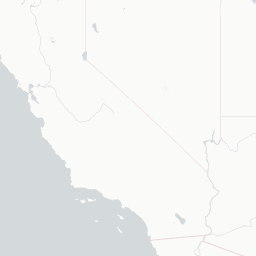








The higher the clouds, the finer the weather.
- Moonrise
- 5:56 AM
- Moonset
- 3:21 PM
- In sign
- ♑︎ Capricorn
Coastal fog thickens at dawn
San Francisco at a glance
- Today vs. normal: 15°F below the seasonal normal for this latitude
- Last frost: April 3 (climatological average for this latitude)
- Microseason: Jun 1–5
- Planting window: Harvest spring lettuce before it bolts. Sow heat-tolerant greens.
Right now in the garden
Peak growing season
As of June 3, the growing season is at its peak — frost is months away. Continue succession-planting beans and summer squash. Start fall brassicas (broccoli, cabbage, kale) from seed indoors for transplanting in late summer.
Planting calendar
| Month | Plant | Harvest |
|---|---|---|
| January | — | — |
| February | — | — |
| March | — | — |
| April | lettuce, peas, spinach, radishes | — |
| May | lettuce, peas, spinach, radishes, tomatoes, peppers, beans, squash | lettuce, peas, radishes |
| June | tomatoes, peppers, beans, squash | lettuce, peas, radishes |
| July | tomatoes, peppers, beans, squash | tomatoes, beans, summer squash |
| August | — | tomatoes, beans, summer squash |
| September | fall brassicas, garlic (overwinter), carrots | tomatoes, beans, summer squash |
| October | fall brassicas, garlic (overwinter), carrots | winter squash, tomatoes (last) |
| November | — | — |
| December | — | — |
A year in weather
September marks San Francisco's warmest month at roughly 63°F mean temperature, while January brings the coldest conditions at around 52°F. Rain follows a predictable pattern, peaking in December with 4.8 inches and disappearing entirely in July at 0.0 inches.
| Month | Mean temp | Precip | Rainy days |
|---|---|---|---|
| January | 52° | 4.4″ | 8 |
| February | 54° | 4.4″ | 8 |
| March | 56° | 3.1″ | 7 |
| April | 56° | 1.6″ | 4 |
| May | 58° | 0.7″ | 2 |
| June | 60° | 0.2″ | 1 |
| July | 60° | 0.0″ | 0 |
| August | 62° | 0.1″ | 0 |
| September | 63° | 0.1″ | 0 |
| October | 62° | 0.9″ | 2 |
| November | 57° | 2.6″ | 5 |
| December | 53° | 4.8″ | 8 |
Regional context
Climatically, San Francisco belongs to the hot-summer Mediterranean zone, sharing temperature ranges, seasonal rhythms, and growing conditions with other cities in this regional climate pattern.
Similar climates: Los Angeles, CA, San Diego, CA, Riverside, CA, Sacramento, CA, San Jose, CA.
Naturalist notes
Late May brings the peak flowering of California poppies across hillsides, their orange petals opening wide during warm afternoon hours.
Anna's hummingbirds begin their courtship displays in February, with males performing dramatic dive flights that produce distinctive whistling sounds.
Frequently asked
- When does it freeze in San Francisco?
- Spring's final frost usually occurs around mid-April in San Francisco, while the season's first frost returns around mid-November.
- What is the rainy season in San Francisco?
- December delivers the heaviest rainfall, averaging 4.8 inches, while the city's total annual precipitation reaches about 23 inches.
- What is the warmest month in San Francisco?
- September typically brings the year's highest temperatures, with averages around 63°F.
- What is the coldest month in San Francisco?
- January registers as the coldest month, averaging approximately 52°F.
- When can I start a vegetable garden in San Francisco?
- Plant cool-season vegetables like peas and lettuce around the final spring frost in mid-April. Wait 1–2 weeks longer before planting warm-season crops such as tomatoes and peppers.
- How many rainy days does San Francisco get?
- San Francisco records approximately 45 rainy days each year.
- What hardiness zone is San Francisco?
- USDA hardiness zones depend on average minimum winter temperatures. Use the USDA's online zone finder with San Francisco ZIP codes for current official designations.
Climate
San Francisco, California experiences a hot-summer Mediterranean climate zone. Winter temperatures in January hover near 52°F, while July averages 60°F — creating just an 8°F seasonal swing.
Annual precipitation totals about 23 inches across roughly 45 rainy days throughout the year.
Weather patterns here stem from the city's latitude at 37.8°N, its proximity to large water bodies, and local elevation changes. These factors determine what plants thrive, when frost threatens, and how daily weather unfolds.